Varicose Veins Treatment in Jaipur
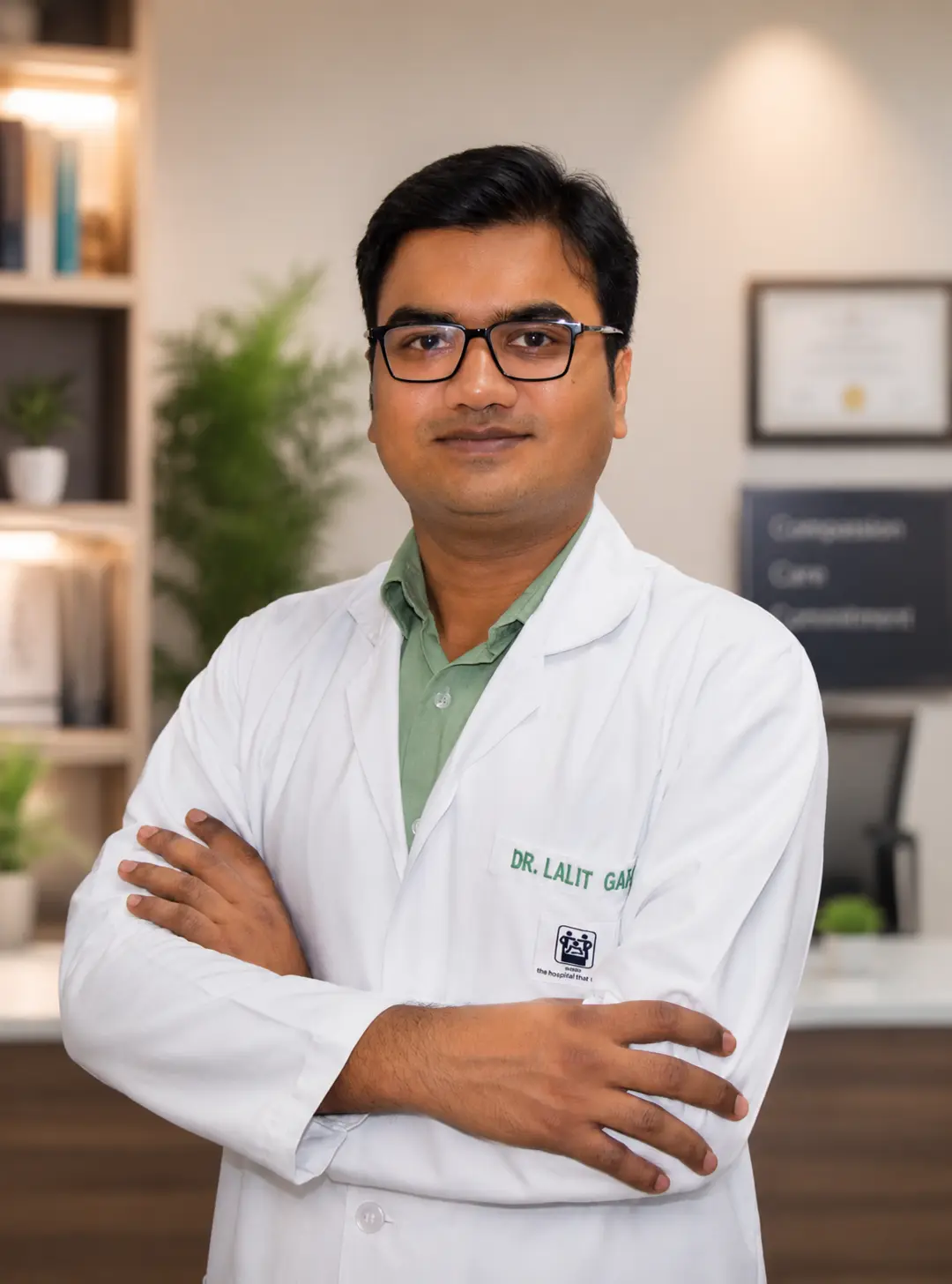
Varicose veins are swollen, twisted veins, most often in the legs, that form when vein valves weaken and blood pools. Modern varicose veins treatment in Jaipur usually avoids major surgery. Dr. Lalit Garg (MBBS, DMRD, DNB, PDCC), Consultant Vascular & Interventional Radiologist at Santokba Durlabhji Memorial Hospital (SDMH), uses ultrasound-guided, minimally invasive methods such as laser or radiofrequency ablation and sclerotherapy, chosen after a proper vein scan and an honest discussion of your options.
- MBBS
- DMRD
- DNB
- PDCC
- SDMH, Jaipur
Consultations: Mon to Sat, 9:00am to 7:00pm, SDM Hospital, Bhawani Singh Rd, Marg, Jaipur, Rajasthan.
What Are Varicose Veins?
Veins carry blood back to the heart. In the legs they work against gravity, so they have one-way valves that stop blood falling backwards. When these valves weaken, blood leaks back down and pools, and the vein stretches, twists and bulges. This backward flow is called reflux.
Varicose veins are common and often run in families. They are more likely with age, pregnancy, a job that involves long standing, and being overweight. Some people only dislike how they look. Others have symptoms that affect daily life, and untreated reflux can slowly worsen.
Symptoms and When Treatment Is Worth Considering
- Visible blue or purple, twisted or rope-like veins
- Aching, heaviness or tiredness in the legs, worse at the end of the day
- Swelling around the feet and ankles
- Night cramps, burning or throbbing
- Itching, dry skin or an itchy rash over the veins
- Darkening or hardening of the skin near the ankle
- Slow-healing sores (ulcers) near the ankle in advanced disease
If you have no symptoms and are not troubled by the look, treatment may not be necessary. See a doctor if the veins hurt, the skin is changing, sleep is disturbed, or appearance is affecting your confidence. For a plain-language guide, read our article on the early signs of varicose veins.
Get Urgent Help If
You develop a sudden, painful swollen leg, a hot red tender vein, bleeding from a vein, or any chest pain or breathlessness. These can signal a clot (see deep vein thrombosis) and need same-day medical care.
Varicose Vein Doctor in Jaipur: Who Treats Varicose Veins?
Varicose veins may be treated by vascular surgeons, general surgeons, dermatologists and interventional radiologists. An interventional radiologist is trained in ultrasound and X-ray guided, catheter and needle-based treatment, which is how most modern vein procedures are done.
Dr. Lalit Garg completed his PDCC in HPB Interventional Radiology at the Institute of Liver and Biliary Sciences (ILBS), New Delhi, after DNB (Radiodiagnosis) at G B Pant Hospital, DMRD at Government Medical College, Nagpur, and MBBS at Seth G.S. Medical College and KEM Hospital, Mumbai. He practises at SDMH, Jaipur. Learn more on the About Dr. Lalit Garg page.
How Varicose Veins Are Diagnosed
Diagnosis begins with a history and an examination of your legs, standing. The key test is a duplex ultrasound, which shows the vein structure and the direction of blood flow, and shows which veins are leaking. This scan maps the treatment. It also checks the deep veins for clots. Treatment decisions made without a vein scan can miss the true source of the problem.
Varicose Veins Treatment Options
| Option | How it works | Points in its favour | Points to consider |
|---|---|---|---|
| Self-care and compression stockings | Walking, leg elevation, weight control, graded stockings | No procedure; eases symptoms | Does not remove the faulty vein; stockings need daily wear |
| Laser (endovenous) ablation | Heat from a thin laser fibre seals the leaking vein from inside | Needle puncture; no stitches; usually local anaesthesia; quick return to activity | Heat-related effects such as bruising or numbness; needs a suitable straight vein |
| Radiofrequency ablation | Radio-wave heat seals the vein through a catheter | Similar to laser; often less bruising for some people | Similar considerations to laser |
| Foam or liquid sclerotherapy | A medicine is injected to close smaller or branch veins | Useful for spider and smaller veins and for veins not suited to ablation | More than one session may be needed; skin staining can occur |
| Ambulatory phlebectomy | Small veins are removed through tiny skin punctures | Treats bulging surface veins | Small marks or bruising; used alongside other methods |
| Vein stripping and ligation | The vein is tied and removed surgically | Long track record | Cuts; more pain and a longer recovery; usually needs anaesthesia |
No one method suits everyone. The choice depends on which veins leak, their size and shape, your health and your goals.
Laser Treatment for Varicose Veins in Jaipur
Endovenous laser ablation (EVLA) is one of the most widely used modern treatments for varicose veins caused by a leaking main (truncal) vein. It does not remove the vein. The vein is closed from inside, blood is rerouted through healthy veins, and the closed vein is gradually absorbed by the body.
Laser Ablation: Step by Step
- Vein mapping. A duplex scan marks the leaking vein and the route.
- Local anaesthesia. The skin is numbed and a dilute anaesthetic is placed around the vein. You stay awake.
- Access. A tiny puncture is made in the vein under ultrasound.
- Laser. A thin fibre is advanced and withdrawn while heat closes the vein along its length.
- Surface veins. Visible branches may be treated at the same sitting or later, by sclerotherapy or phlebectomy.
- Compression. A bandage or stocking is applied, and you are encouraged to walk.
The procedure usually takes 30 to 45 minutes, and many people walk out the same day.
What the Evidence Says
Clinical guidance from the UK's National Institute for Health and Care Excellence (NICE) places endothermal ablation (laser or radiofrequency) first for varicose veins with truncal reflux, foam sclerotherapy next if ablation is not suitable, and surgery after that. A large UK trial reviewed in NICE's surveillance report compared laser, foam and surgery. Return to normal activity was sooner after laser or foam than surgery, and procedure-related complications were lowest with laser. Treating leaking side branches at the same time as the main vein also reduced the need for later treatment in a smaller trial. These are group results from specific studies, not a promise for any one person.
Benefits of Minimally Invasive Varicose Vein Treatment
- No large cuts, stitches or general anaesthesia in most cases
- Usually day-care, so you sleep at home
- Many people return to desk work in a day or two
- Less pain and scarring than traditional vein stripping
- Relief of aching, heaviness and swelling in many people
- Improvement in how the leg looks
Results vary, and treated legs can develop new varicose veins over time because the underlying tendency remains.
Who Is a Good Candidate?
Treatment may suit you if you have:
- Symptoms from varicose veins that have not settled with self-care
- Skin changes, repeated inflammation, or ulcers linked to vein reflux
- Reflux confirmed on a duplex scan
- A wish to treat veins for comfort or appearance
When Treatment May Need to Wait or Change
- Pregnancy. Veins often improve after delivery, so treatment is usually postponed.
- A current or recent deep vein clot, or very twisted veins, which may rule out ablation or need a different plan.
- Poor leg circulation (arterial disease), where compression and some procedures need caution.
- Very small spider veins only, which may need sclerotherapy alone, often with a dermatologist.
Risks and Safety
Vein treatment is generally safe, but no procedure is risk-free. Possible effects include:
- Bruising, tightness or soreness along the treated vein for days to weeks
- Skin staining, or small red "matting" vessels, after sclerotherapy
- Numbness or tingling from nerves close to the vein
- Skin burns after thermal treatment, which are uncommon when numbing fluid and ultrasound guidance are used
- Inflammation of a vein (thrombophlebitis)
- Rarely, a clot in the deep veins, which is why you are encouraged to walk straight away
- The vein not closing fully, or new varicose veins appearing later
Dr. Garg will explain risks that apply to you before you agree to treatment.
Recovery After Varicose Vein Treatment
- Walk the same day and regularly afterwards.
- Wear compression stockings or a bandage as advised, typically for a short period.
- Bruising and a pulling feeling along the vein are common and usually settle in one to two weeks.
- Avoid heavy lifting, long standing, hot baths and strenuous exercise for the period your doctor suggests.
- A follow-up visit and ultrasound check that the treated vein has closed.
- Call the clinic if you notice a hot, swollen or painful calf, fever, spreading redness or breathlessness.
Varicose Vein Treatment Cost in Jaipur: What Affects the Price
A fixed price cannot be quoted before a scan, because cost depends on:
- Which method is used (laser, radiofrequency, foam, or a combination)
- How many veins and how many legs are treated
- Whether side branches are treated in the same session
- Hospital charges, room category and day-care or admission
- Pre-treatment duplex scan and follow-up scans
- Compression stockings and medicines
- Insurance or corporate cover, which depends on your policy and the hospital
After your consultation you can ask the hospital for a written estimate. Comparing quotes is reasonable, but check that each one lists the same method, the number of veins, scans and follow-up.
How to Choose a Varicose Vein Specialist in Jaipur
- Check qualifications and training in vein procedures.
- Make sure a duplex ultrasound is done before any treatment is advised.
- Ask why a particular method is suggested and what the alternatives are.
- Ask about risks, recurrence and what follow-up is included.
- Be wary of promises of guaranteed or permanent results, or pressure to book quickly.
- Prefer a hospital setting with proper imaging and emergency support.
Why Consult Dr. Lalit Garg at SDMH?
- Image-guided training. MBBS, DMRD, DNB and PDCC in HPB Interventional Radiology, as listed on his profile.
- Broad vascular experience. His work includes arterial and venous interventions, so conditions such as vein clots can be assessed together.
- Hospital setting. He practises at Santokba Durlabhji Memorial Hospital, Jaipur.
- Plain explanation. Scan findings and options are explained, including when no treatment is needed.
To read more, see our guides on varicose veins symptoms, causes, stages and treatment and varicose veins treatment without surgery in Jaipur, or visit the FAQ page.
Your Varicose Veins Consultation in Jaipur: What to Expect
At your first visit, Dr. Garg takes a history, examines your legs standing and arranges a duplex ultrasound. Please bring any earlier vein scans, a list of medicines (especially blood thinners), and details of any past leg surgery or clots. You will leave knowing what is causing your symptoms, whether treatment is needed, your options, and what each involves. You are welcome to take time or a second opinion.
Frequently Asked Questions
What is varicose veins treatment in Jaipur and which method is usually recommended?
Varicose veins treatment in Jaipur ranges from self-care and compression stockings to laser or radiofrequency ablation, sclerotherapy and surgery. Guidance from the UK's NICE places endothermal ablation (laser or radiofrequency) first for varicose veins with a leaking main vein, with foam sclerotherapy and then surgery as later options. The right method depends on a duplex ultrasound, your symptoms and your health.
Is laser treatment for varicose veins in Jaipur painful or safe?
Laser ablation is usually done under local anaesthetic, so most people feel pressure or warmth rather than sharp pain. It is generally safe, but side effects such as bruising, tightness, numbness, skin staining or, rarely, a clot can occur. Your doctor will explain the risks that apply to you before you decide.
How much does varicose vein treatment cost in Jaipur?
The cost depends on the method used, how many veins and legs are treated, hospital charges, room category, scans, follow-up and insurance terms. A reliable figure can only be given after a scan, so ask the hospital for a written estimate after your consultation and check that it lists the method, scans and follow-up.
How long does laser treatment take, and when can I return to work?
Laser ablation usually takes about 30 to 45 minutes, and many people go home the same day. Many people return to desk work within a day or two. Avoid heavy lifting, long standing and strenuous exercise for as long as your doctor advises.
Do varicose veins need treatment, or can they go away on their own?
Varicose veins do not usually go away on their own and may slowly worsen, although those that appear in pregnancy often improve after delivery. If they cause no symptoms and do not bother you, treatment may not be necessary. See a doctor if you have pain, swelling, skin changes, sores or night cramps.
Are varicose veins dangerous?
Varicose veins are usually not dangerous, but they can cause aching, swelling, skin changes, inflamed veins, ulcers near the ankle and, rarely, bleeding. A sudden painful swollen leg, chest pain or breathlessness needs urgent medical care because it may signal a blood clot.
Can varicose veins come back after treatment?
Yes. Treating a vein does not remove the tendency to develop varicose veins, so new veins can appear over time, and a treated vein sometimes does not close fully. A follow-up check with ultrasound helps confirm the result.
Can varicose veins be treated without surgery?
Yes. Many people are treated without open surgery, using laser or radiofrequency ablation and sclerotherapy, which use needle punctures instead of cuts. Compression stockings, walking and weight control help symptoms but do not remove the faulty vein. A vein scan shows which option suits you.
Is varicose vein treatment covered by insurance?
Cover depends on your policy and the reason for treatment. Insurers often distinguish between treatment for symptoms or complications and treatment done only for appearance. Check your policy terms with your insurer and the hospital before treatment.
How do I choose a varicose vein doctor in Jaipur?
Look for a qualified specialist who arranges a duplex ultrasound before advising treatment, explains the options and alternatives, discusses risks and recurrence honestly, and works in a hospital with proper imaging and follow-up. Be wary of guaranteed or permanent results, and feel free to take a second opinion.
Book Your Varicose Veins Treatment in Jaipur
If varicose veins are causing symptoms, or you want to know your options, speak to Dr. Lalit Garg about varicose veins treatment in Jaipur.
Address: SDM Hospital, Bhawani Singh Rd, Marg, Jaipur, Rajasthan
View on Google Maps
Phone / WhatsApp: +91-9990017948
Email: drlalitgarg8@gmail.com
Timings: Mon to Sat, 9:00am to 7:00pm
Prefer to talk? Call +91-9990017948 or message on WhatsApp.
Medical disclaimer: This page is for general information and is not a diagnosis or a substitute for medical advice. Suitability, risks and results vary from person to person. Please consult a qualified doctor before making any treatment decision.